 USD
USD  EUR
EUR  CHF
CHF  ALL
ALL  SAR
SAR  AED
AED  EGP
EGP  PHP
PHP  NPR
NPR  THB
THB  BRL
BRL  INR
INR  TRY
TRY  IDR
IDR  JPY
JPY  KRW
KRW  GBP
GBP  AUD
AUD  CAD
CAD  RSD
RSD  VND
VND  UZS
UZS  TWD
TWD  HKD
HKD  MOP
MOP  IRR
IRR  AFN
AFN  MXN
MXN  CNY
CNY  MMK
MMK  RUB
RUB  BDT
BDT  KHR
KHR  SGD
SGD Zen Artisan Blogs
Rose Quartz: The Stone of Gentle Love—Geology, Properties, Energy & Meaning | Zen Artisan
- Dec.24, 2025 14:03:33
- 0 Comments
In the realm of crystals, few stones resonate as deeply with the human heart as rose quartz. Revered across cultures for its soft pink hue and association with compassion, this beloved crystal is far more than a decorative gem—it’s a geological wonder steeped in history, metaphysical significance, and timeless appeal. We’ll explore rose quartz through a lens of curiosity and respect: how it forms beneath the Earth’s surface, its unique physical traits, the cultural and metaphysical energy it embodies, and how it has been cherished across time. This is a celebration of the stone itself—its science, its stories, and its gentle power to inspire connection.
Table of Contents
How Rose Quartz Forms: A Geological Journey
Physical Properties of Rose Quartz
The Energy & Metaphysical Significance of Rose Quartz
Rose Quartz Through the Ages: Cultural Traditions & Uses
Practical Ways to Engage with Rose Quartz (Mindful & Ritualistic)
Caring for Rose Quartz: Preserving Its Beauty
Final Thoughts: The Timeless Appeal of Rose Quartz
How Rose Quartz Forms: A Geological Journey
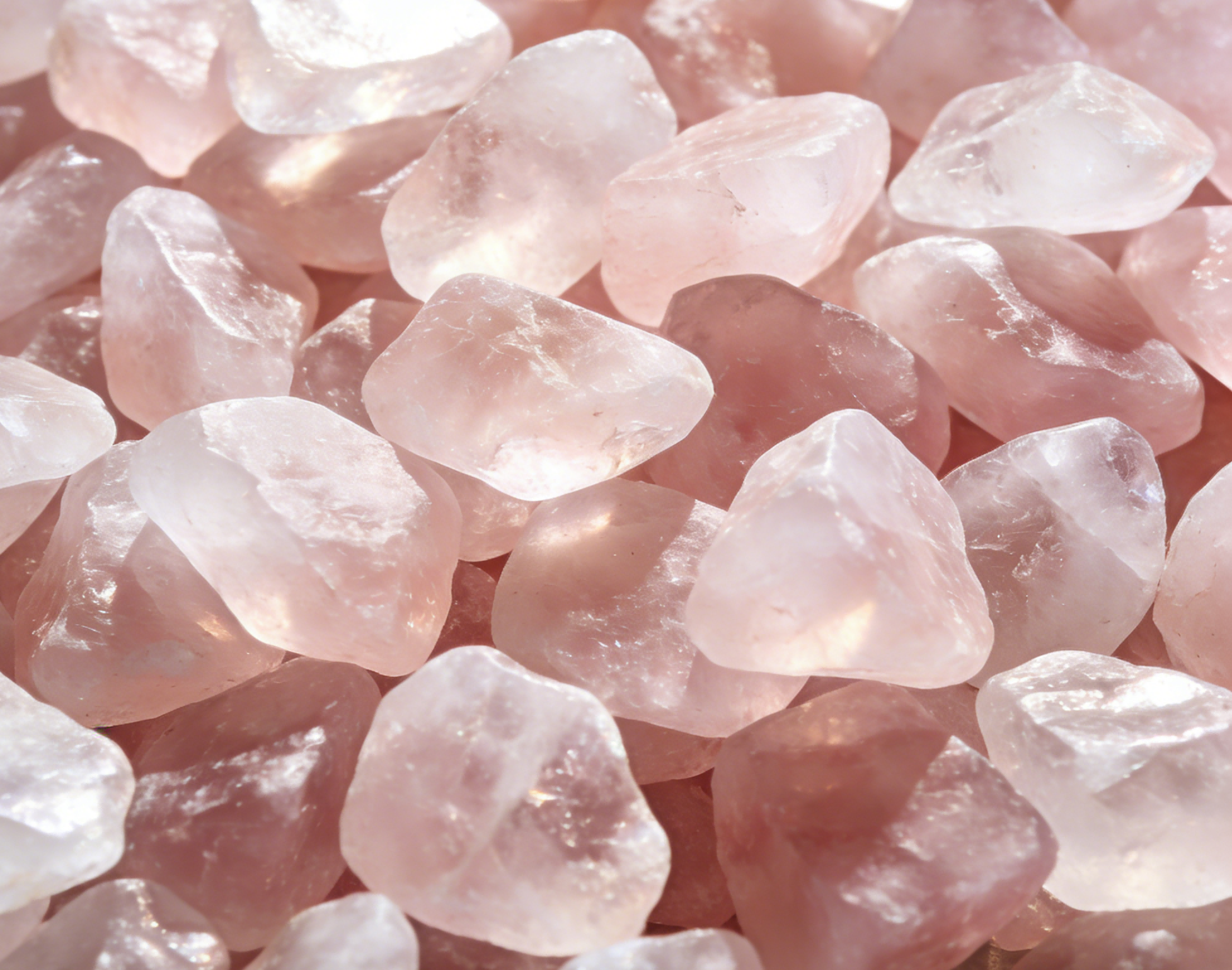
Rose quartz’s delicate pink beauty begins deep within the Earth, forged by heat, pressure, and a touch of geological serendipity. Unlike many crystals that form in perfect, faceted structures, rose quartz is a macrocrystalline variety of quartz—meaning its crystals are too large to be seen with the naked eye, giving it a typically opaque or translucent appearance.
The formation process starts with silica-rich fluids (primarily composed of silicon dioxide, the same compound that forms quartz, sand, and glass) moving through cracks and cavities in the Earth’s crust. These fluids accumulate in environments like hydrothermal veins (channels where hot, mineral-rich water circulates) or pegmatites (coarse-grained igneous rocks formed from slow-cooling magma). For quartz to crystallize into rose quartz, two key factors come into play:
Trace Elements: The stone’s signature pink color is not inherent to pure quartz—instead, it’s caused by trace amounts of impurities, most commonly titanium, iron, or manganese. These elements become trapped in the quartz crystal lattice during formation, scattering light in a way that produces soft pink, peach, or lavender hues. The intensity of the color varies based on the concentration of these elements and the conditions of crystallization.
Pressure & Temperature: Rose quartz forms under moderate to high pressure (typically 1–3 gigapascals) and temperatures between 300–600°C (572–1112°F). Slow cooling allows the silica molecules to arrange into the quartz structure, while the trapped trace elements create the stone’s unique coloration.
Most rose quartz on the market is mined from deposits in Brazil, Madagascar, South Africa, and the United States (California, Maine). Unlike some crystals that form as single points, rose quartz is often found in massive formations—large, solid masses that are then cut, polished, or carved into jewelry, decor, or healing tools.
Physical Properties of Rose Quartz
Rose quartz boasts a set of physical traits that make it both distinctive and durable, explaining its popularity in jewelry and everyday use:
Hardness: A 7 on the Mohs scale of mineral hardness (the same as clear quartz). This means it’s resistant to scratches from most everyday materials (e.g., glass, metal) but can still be damaged by harder stones (e.g., diamonds, sapphires) or sharp impacts.
Color: Ranges from pale, almost milky pink to deep rose or salmon. The color is often uneven, with veining, patches, or cloudiness—these natural inclusions are part of the stone’s charm and a sign of its authenticity.
Transparency: Typically translucent to opaque; fully transparent rose quartz is extremely rare (often called "crystal rose quartz" or "pink quartz" to distinguish it from the more common opaque variety).
Luster: Vitreous (glass-like) when polished, giving it a soft, glowing sheen that enhances its gentle appearance.
Crystal System: Hexagonal (trigonal), though its macrocrystalline structure means the individual crystals are not visible to the naked eye.
Density: 2.65 g/cm³ (similar to other quartz varieties), giving it a substantial, satisfying weight when held.
Cleavage: None—quartz has no distinct cleavage planes, so it tends to fracture with a conchoidal (shell-like) pattern if broken.
These properties make rose quartz ideal for jewelry, carvings, and decor: it’s durable enough for daily wear, yet its soft color and texture lend themselves to gentle, comforting designs.
The Energy & Metaphysical Significance of Rose Quartz
While rose quartz’s physical properties are rooted in geology, its cultural and metaphysical meaning centers on one universal theme: love—in all its forms. It’s important to note that these beliefs are rooted in tradition, spirituality, and personal practice. For millennia, rose quartz has been revered as a stone of "unconditional love," embodying energy that nurtures self-compassion, connection, and emotional healing.
Core Metaphysical Themes
Self-Love & Acceptance: Rose quartz is most widely celebrated as a catalyst for self-love. Its gentle energy is said to soften self-criticism, foster self-forgiveness, and remind individuals of their inherent worth. In a world that often prioritizes productivity over well-being, it serves as a symbolic reminder to treat oneself with kindness.
Heart-Centered Connection: Beyond self-love, rose quartz is associated with nurturing relationships—romantic, platonic, and familial. It’s believed to open the "heart chakra" (a concept in Hindu and Buddhist traditions, representing emotional balance and connection), encouraging empathy, communication, and trust. Many use it to heal emotional wounds from past relationships or to deepen existing bonds.
Emotional Calm & Healing: Rose quartz’s energy is often described as "soothing" or "comforting." It’s associated with reducing stress, anxiety, and feelings of loneliness, promoting a sense of inner peace and emotional stability. For those navigating grief or heartache, it’s seen as a gentle companion that supports healing without forcing it.
Compassion for Others: Rose quartz’s energy extends beyond personal relationships to foster compassion for humanity and the natural world. It’s believed to encourage kindness, generosity, and a sense of unity—reminding us that we are all connected by the experience of love.
How This Energy Is Perceived Across Traditions
In Eastern spirituality (Taoism, Buddhism, Hinduism), rose quartz is linked to balancing emotional energy and opening the heart to spiritual growth. It’s often used in meditation to cultivate loving-kindness (metta) practices.
In Western wellness and New Age traditions, it’s a cornerstone of crystal healing practices, valued for its ability to complement self-care rituals like journaling, affirmations, and therapy.
In ancient cultures, its energy was seen as divine: the Greeks and Romans associated it with Aphrodite and Venus, viewing it as a gift from the gods to inspire love and beauty.
Rose Quartz Through the Ages: Cultural Traditions & Uses
Rose quartz’s allure spans millennia, with cultures worldwide embracing it for its beauty, symbolism, and perceived spiritual properties. Its history is a testament to humanity’s enduring fascination with stones that reflect our deepest desires—love, connection, and healing.
Ancient Civilizations (3000 BCE–500 CE): The Sumerians of Mesopotamia (modern-day Iraq) used rose quartz in love rituals as early as 3000 BCE. The Egyptians carved it into beads, pendants, and cosmetic containers, believing it preserved youth and fostered spiritual connection. The Greeks and Romans went further: they crafted rose quartz into amulets to attract love, protect relationships, and honor Aphrodite/Venus. It was also used in burial rituals, with the belief that it would guide the soul to a place of eternal love.
Medieval & Renaissance Europe (500–1600 CE): Rose quartz fell out of widespread use during the Middle Ages but experienced a revival during the Renaissance. It was favored by nobility for jewelry, with artisans carving it into intricate designs that symbolized devotion. Alchemists also took an interest in it, believing it held the "essence of love" that could be distilled into potions (though these claims were never scientifically validated).
Indigenous Cultures: Many Native American tribes (e.g., the Apache, Navajo) used rose quartz in ceremonies to heal emotional wounds and strengthen community bonds. It was often passed down as a sacred object, representing the love and unity of the tribe. In Australian Aboriginal cultures, it was associated with the land’s nurturing energy, symbolizing the love between people and nature.
Modern Era (1900–Present): Rose quartz experienced a surge in popularity in the 1960s and 1970s with the rise of the New Age movement, which reconnected with ancient crystal traditions. Today, it’s a staple in Western wellness culture, used in everything from yoga studios and meditation centers to self-care gift sets. Its timeless pink hue also makes it a fashion favorite, appearing in jewelry designs ranging from minimalist pendants to statement earrings.
Throughout history, one thread unites all these uses: rose quartz is more than a stone—it’s a symbol of humanity’s universal longing for love and connection.
Practical Ways to Engage with Rose Quartz (Mindful & Ritualistic)
While rose quartz’s metaphysical properties are a matter of belief, there are simple, meaningful ways to incorporate it into your life—rooted in mindfulness, aesthetics, and tradition. These practices are personal and optional, designed to help you connect with the stone’s symbolism:
1. Mindful Meditation & Reflection
Hold a small rose quartz palm stone or tumbled piece during meditation. Focus on your breath, and set an intention related to self-love or connection (e.g., "I am open to love," "I forgive myself"). Let the stone’s cool, smooth texture anchor you in the moment.
Place a rose quartz cluster on your meditation altar or mat as a focal point. Gaze at its soft color while practicing loving-kindness meditation, sending thoughts of compassion to yourself, loved ones, and even strangers.
2. Daily Reminders of Kindness
Wear rose quartz jewelry (pendants, bracelets, earrings) as a physical reminder to practice self-love. Every time you touch the stone, pause for a breath and whisper a kind affirmation (e.g., "I am worthy," "I choose compassion").
Keep a small rose quartz heart or tumbled stone in your pocket, purse, or on your desk. Fidget with it during stressful moments to ground yourself and recall your intention of kindness.
3. Home & Space Harmony
Display a rose quartz cluster or carved piece in your bedroom to create a calming, loving atmosphere. Many people believe it fosters restful sleep and emotional balance (a cultural belief, not a scientific claim).
Place rose quartz in common areas (living room, dining room) to encourage open communication and connection with family or guests. Its soft color also adds a warm, inviting touch to home decor.
4. Gifting with Intention
Give rose quartz as a gift to someone you care about—whether it’s a friend healing from heartache, a partner celebrating an anniversary, or a loved one starting a self-love journey. Pair it with a handwritten note explaining its symbolism, turning it into a meaningful token of affection.
Caring for Rose Quartz: Preserving Its Beauty
Rose quartz is durable enough for daily use, but its soft color and natural structure require gentle care to maintain its luster and integrity. Follow these simple guidelines:
Cleaning: Wipe the stone with a soft, damp cloth to remove dust or dirt. For stubborn grime, use a mild soap (e.g., dish soap) diluted in water, then rinse thoroughly and dry immediately with a soft towel. Avoid harsh chemicals (perfume, lotion, cleaning products) as they can dull the stone or damage metal settings (if it’s jewelry).
Storage: Store rose quartz pieces separately from other jewelry or hard objects to prevent scratches. Use a soft pouch, velvet-lined jewelry box, or tissue paper to protect it. Avoid storing it in direct sunlight for extended periods—while rose quartz is less prone to fading than some colored stones, prolonged sun exposure can lighten its pink hue over time.
Avoid Extremes: Rose quartz can withstand moderate heat, but sudden temperature changes (e.g., hot tubs, saunas, freezing temperatures) can cause cracks or fractures. Remove jewelry before swimming, showering, or engaging in activities that involve heavy impact.
Handling: While rose quartz is hard, it’s not indestructible. Avoid dropping it or hitting it against hard surfaces, as this can chip or break the stone.
With proper care, rose quartz can retain its beauty for decades—becoming a cherished heirloom that carries memories and meaning.
Final Thoughts: The Timeless Appeal of Rose Quartz
Rose quartz’s enduring popularity lies in its ability to bridge science and symbolism, geology and emotion. It’s a stone that tells a story: of the Earth’s immense power to create beauty, of humanity’s universal longing for love, and of the gentle strength of kindness. Whether you’re drawn to it for its soft pink hue, its geological uniqueness, or its metaphysical significance, rose quartz invites us to slow down, connect with our hearts, and embrace the power of love—for ourselves, for others, and for the world around us.
At Zen Artisan, we celebrate rose quartz not just as a crystal, but as a reminder of what it means to live mindfully: with compassion, intention, and an open heart. Whether you choose to wear it, display it, or meditate with it, may it bring you a sense of calm, connection, and gentle joy.
Filter